How to Prevent Costly Plumbing Emergencies Year-Round
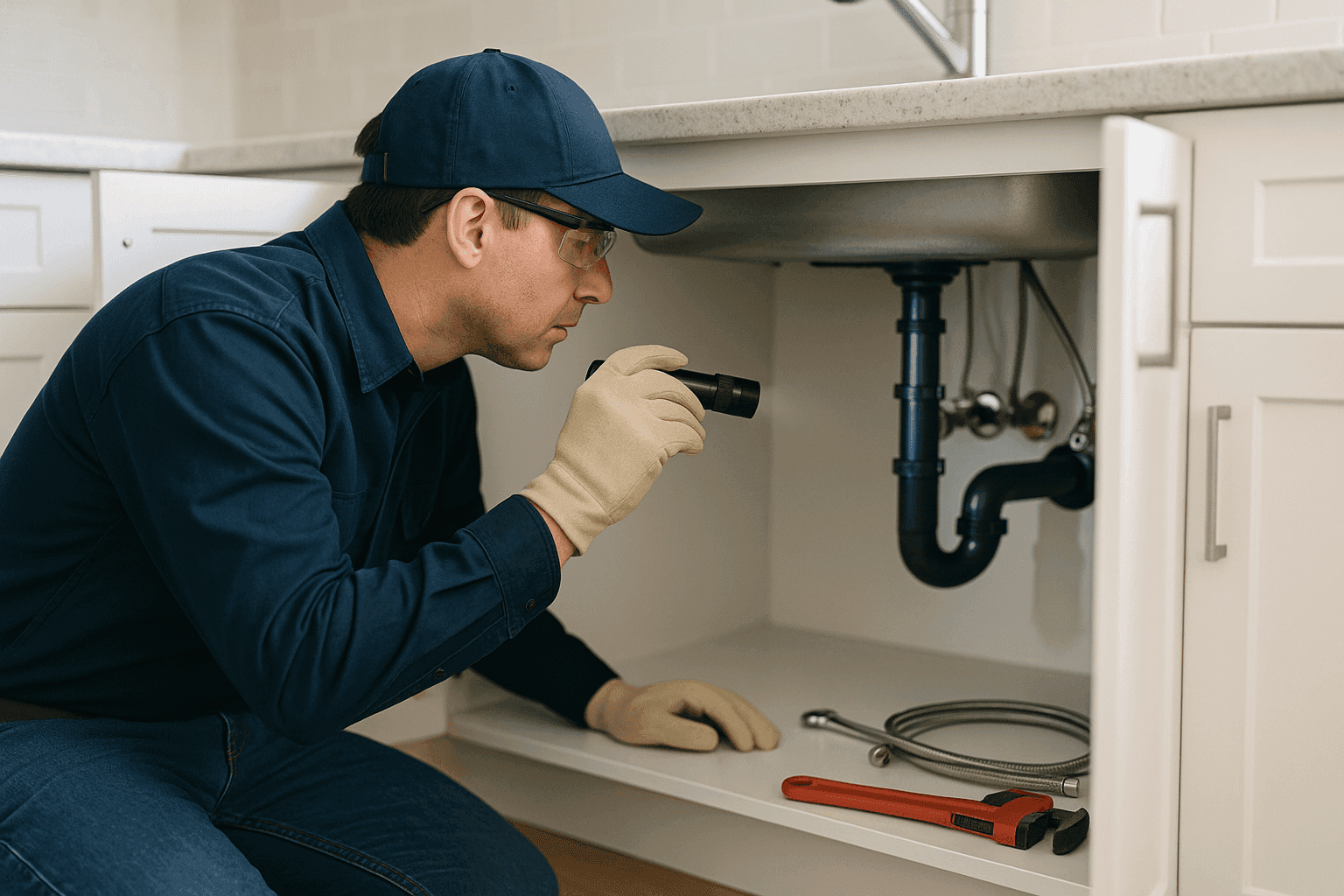
Plumbing emergencies don’t care about your schedule. Pipes burst at midnight. Toilets clog before big meetings. Leaks hide until the damage is done. If you’ve ever faced a flooded bathroom or a cold shower on a winter morning, you know how stressful—and expensive—unexpected plumbing problems can be.
At Billy Rogers Plumbing, we get it. You want peace of mind, not puddles. With decades in the business, we’ve seen how a little planning and regular care can keep those emergencies at bay. Here’s how you can take charge and protect your home or small business all year long.
Understanding Common Plumbing Emergencies 🚨
Some plumbing problems sneak up on you like a leaky faucet that slowly erodes your patience. Others explode into your life—literally—with a burst pipe or overflowing toilet. Knowing what to watch for is half the battle.
The Big Three: Leaks, Bursts, and Backups
- Leaks: Tiny drips can turn into big headaches. Water escaping from pipes, faucets, or appliances can damage floors, walls, and even electrical systems. The Environmental Protection Agency (EPA) estimates that household leaks waste nearly 1 trillion gallons of water annually in the U.S. alone.
- Burst Pipes: When water freezes inside pipes, it expands like a can of soda left in the freezer. The result? Cracked pipes and sudden flooding.
- Sewer Backups: Nothing ruins a day like wastewater coming back up through your drains. Clogs, tree roots, or damaged sewer lines can all cause backups.
Other emergencies include water heater failures, gas leaks, and sump pump breakdowns. Each one can disrupt your life and cost you dearly.
Seasonal Plumbing Maintenance Checklist
Think of your plumbing like a car. It needs regular tune-ups to avoid breakdowns. Follow these checklists to stay ahead of the seasons:
Winter: Protect Against the Freeze
- Insulate exposed pipes in unheated areas (attics, basements, garages).
- Disconnect garden hoses and shut off outdoor faucets.
- Let a trickle of water run from faucets during extreme cold.
- Check for drafts near pipes and seal gaps.
- Know where your main water shutoff valve is in case a pipe bursts.
Spring & Summer: Inspect and Refresh
- Check for leaks under sinks, behind toilets, and around appliances.
- Inspect sump pumps—pour water in to make sure they kick on.
- Flush your water heater to remove sediment and improve efficiency.
- Look for slow drains—they could signal a growing clog.
- Test outdoor faucets for leaks that may have appeared over winter.
Fall: Prepare for Colder Weather
- Clear gutters and downspouts to prevent water from pooling near your foundation.
- Schedule a professional inspection to catch hidden problems before winter.
- Replace old washers and supply lines on washing machines and dishwashers.
Sticking to a seasonal checklist is like setting reminders for your plumbing’s yearly checkup.
Signs You Should Act Now
Some warning signs are easy to ignore—until they’re not. Catching problems early can save you thousands in repairs.
- Unexplained spikes in your water bill: Could indicate a hidden leak.
- Low water pressure: Often a sign of a clog or pipe corrosion.
- Wet spots or water stains: On walls, ceilings, or floors—never a good sign.
- Gurgling sounds: When you flush or drain—can mean a blockage is forming.
- Musty smells: Suggest mold or mildew from hidden moisture.
- Slow drains: Might mean a clog is lurking deeper in the system.
If you notice any of these, don’t wait. Small issues rarely fix themselves.
Emergency Preparedness Tips
Plumbing emergencies can feel overwhelming, but a little preparation goes a long way. Here’s how to be ready:
Know Your Shutoff Valves
- Main water shutoff: Usually located where the main water line enters your building. Practice turning it off so you’re not fumbling during an emergency.
- Individual fixture shutoffs: Under sinks, behind toilets, and near appliances.
Keep Emergency Contacts Handy
- Save our number in your phone and post it near your main shutoff.
- Know the number for your local utility company in case of gas or major water line issues.
Stock a Plumbing Emergency Kit
- Adjustable wrench
- Plumber’s tape
- Towels and buckets
- Flashlight (with fresh batteries)
- Rubber gloves
Safety First
- Never attempt to repair gas lines or major leaks yourself—these require professional attention.
- If you suspect a gas leak (rotten egg smell, hissing sound), evacuate immediately and call emergency services.
The Value of Preventative Maintenance
Proactive care is like insurance for your plumbing. It doesn’t just prevent emergencies—it can extend the life of your fixtures and save you money on utility bills.
Why Schedule Regular Inspections?
- Spot hidden leaks before they cause water damage.
- Test water pressure and catch issues early.
- Inspect water heaters for sediment and corrosion.
- Check for code compliance and safety hazards, as recommended by the International Association of Plumbing and Mechanical Officials (IAPMO).
Preventative Maintenance Plans
Signing up for scheduled inspections means a trained plumber will keep an eye on your system year-round. You’ll get reminders before the seasons change, so you’re always prepared.
DIY vs. Calling a Professional
Some plumbing tasks are safe for handy homeowners. Others are best left to those with the right tools and training.
What You Can Do Yourself
- Tighten loose faucet handles.
- Replace worn-out washers.
- Clear minor clogs with a plunger or drain snake.
- Clean faucet aerators.
When to Call Billy Rogers Plumbing
- Persistent leaks or water stains.
- Burst pipes or major water damage.
- Sewer line backups.
- Gas line smells or issues.
- Water heater problems.
Safety codes, such as those from the Uniform Plumbing Code (UPC), exist for a reason. Some repairs require permits or specialized knowledge—don’t risk it.
What to Expect When a Plumber Arrives
When you call for emergency plumbing help, here’s what happens next:
- Quick assessment: We’ll ask questions to understand the problem and give you safety instructions if needed.
- On-site evaluation: Our plumber inspects the issue, locates shutoff valves, and checks for related problems.
- Immediate action: Stopping leaks, unclogging drains, or shutting off affected systems.
- Clear explanation: We’ll walk you through the next steps, possible causes, and recommended repairs.
- Safety protocols: We follow all Occupational Safety and Health Administration (OSHA) guidelines and wear protective gear.
Costs and Time Factors
Plumbing emergencies rarely happen at convenient times—and they can get expensive. Here’s what affects the cost and duration:
- Severity: A small leak takes less time (and money) than a burst pipe or sewer backup.
- Location: Pipes hidden behind walls or under floors are harder to reach.
- Parts required: Older homes may need specialty fittings or new pipes.
- Time of day: After-hours or weekend calls may cost more.
Prevention is almost always cheaper than emergency repairs. Regular maintenance can help you avoid those late-night surprises.
When It’s an Emergency
Not every drip is a disaster. But some situations need immediate attention:
- Water pouring out uncontrollably
- No water at all
- Sewer water backing up into your home or business
- Gas smells or hissing sounds
- Flooding near electrical outlets
If you’re unsure, it’s better to call and ask. Waiting can turn a minor issue into a major crisis.
Frequently Asked Questions
How often should I have my plumbing inspected?
Most experts recommend a professional inspection once a year, especially before winter. If your building is older or you’ve had issues in the past, consider more frequent checks.
Are chemical drain cleaners safe?
Most chemical drain cleaners can damage pipes over time and harm the environment. Mechanical methods (like plungers or snakes) are safer for both your plumbing and the planet.
What’s the best way to find hidden leaks?
Watch your water bill for sudden increases, listen for running water when everything’s off, and check for damp spots or musty smells. Professional leak detection uses tools like acoustic sensors and thermal imaging.
Is it safe to repair a gas line myself?
No. Gas lines should only be handled by licensed professionals. If you smell gas, leave the building immediately and call emergency services.
Special Considerations for Homeowners and Small Business Owners
Your needs might be different, but the risks are the same. Homeowners often deal with aging pipes, tree root intrusion, or outdated fixtures. Small business owners face unique challenges—like keeping restrooms open for customers or ensuring kitchens stay operational.
- Plan for downtime: Schedule maintenance during off-hours to minimize disruption.
- Educate your staff: Make sure everyone knows where shutoff valves are.
- Upgrade wisely: Invest in water-saving fixtures or filtration systems to boost efficiency and safety.
A little knowledge and planning can keep your property safe, your business running, and your wallet happier.
Plumbing emergencies don’t have to catch you off guard. Take these steps, stay prepared, and let Billy Rogers Plumbing handle the rest.
Call Billy Rogers Plumbing now — or reach us anytime at 1-877-478-7794 .