How to Prepare Your Plumbing for Seasonal Changes and Emergencies
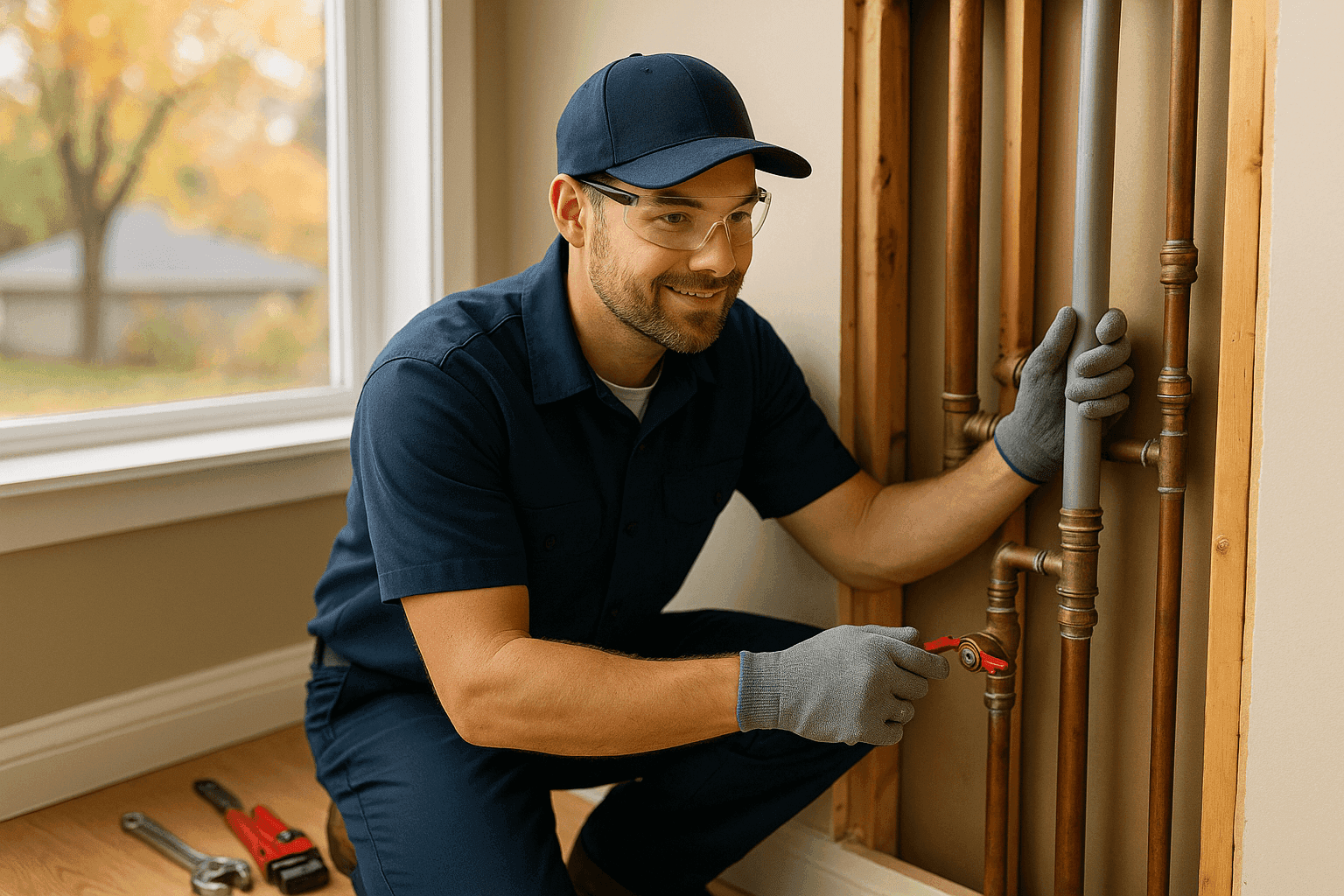
When the seasons shift, your plumbing feels it—even if you don’t. Pipes groan in the cold, drains strain in the heat, and a small leak can turn into a flood overnight. Whether you own a home or run a small business, being ready for what nature throws your way can save you from stress, headaches, and costly repairs.
At Billy Rogers Plumbing, we’ve seen firsthand how quickly a small oversight can become a big emergency. With decades of experience and a commitment to safety, we’re here to help you keep your plumbing healthy, no matter what the weather brings.
Why Seasonal Changes Impact Your Plumbing
Plumbing systems are like the veins of your building—when the weather changes, they react. Winter’s freezing temperatures can turn water into ice, causing pipes to burst. Summer storms can flood basements and overwhelm sump pumps. Even a sudden heatwave can stress water heaters and expose hidden leaks.
Common seasonal issues include:
- Frozen or burst pipes during cold snaps
- Flooded basements from heavy rain
- Water heater breakdowns after temperature swings
- Backed-up drains and sewers from debris and stormwater
Ignoring these risks is like ignoring a warning light on your dashboard. The sooner you act, the better your chances of avoiding a plumbing emergency.
Quick Safety Checklist for Seasonal Plumbing 🛠️
Before the next season rolls in, run through this quick checklist:
- Locate your main water shutoff valve—make sure everyone in your household or business knows where it is and how to use it.
- Inspect exposed pipes for cracks, leaks, or signs of wear.
- Test your sump pump by pouring water into the pit and watching it activate.
- Check water heater settings and look for signs of corrosion or leaks.
- Clear gutters and downspouts to keep water away from your foundation.
- Ensure all outdoor faucets are drained and covered before freezing temperatures hit.
- Schedule a professional inspection if you notice any warning signs.
Winter Plumbing Preparation
Winter is tough on pipes. Water expands as it freezes, and even a tiny crack can unleash gallons of water in minutes.
Pipe Insulation Techniques
Think of insulation as a warm blanket for your pipes. Focus on:
- Exposed pipes in unheated areas: Basements, crawl spaces, attics, and garages are high-risk zones.
- Use foam pipe sleeves or insulating tape: Both are easy to install and available at most hardware stores.
- Seal cracks and gaps: Use caulk or expanding foam to keep cold air away from pipes.
The International Plumbing Code (IPC) recommends insulating pipes in climates where freezing is possible. It’s a simple step that can prevent catastrophic bursts.
Water Heater Winterization
Your water heater works overtime in the cold. Help it out by:
- Flushing the tank: Sediment builds up faster when the heater works harder.
- Checking the temperature setting: 120°F is usually ideal—hot enough for comfort, but not so hot it strains the system.
- Inspecting for leaks or rust: Address problems early to avoid a mid-winter breakdown.
Emergency Shutoff Procedures
If a pipe bursts, seconds count. Practice these steps:
- Find the main water shutoff valve.
- Turn it clockwise to stop water flow.
- Open faucets to drain remaining water and relieve pressure.
- Call for emergency plumbing help immediately.
Summer Plumbing Maintenance
Summer brings its own challenges—heavy rain, increased water use, and the risk of flooding.
Sump Pump Checks
A working sump pump is your best defense against a flooded basement.
- Test the pump: Pour a bucket of water into the pit. The pump should kick on and drain the water quickly.
- Clean the pit: Remove debris that could block the float switch.
- Check the backup power: Storms can knock out electricity, so consider a battery backup.
The Plumbing-Heating-Cooling Contractors Association (PHCC) recommends annual sump pump testing—don’t wait until the next storm.
Drain and Sewer Maintenance
Summer storms can clog drains with leaves and debris.
- Clear yard drains and gutters.
- Schedule a professional sewer line inspection if you notice slow drains or gurgling sounds.
- Install backflow prevention devices to protect against sewage backups.
Emergency Readiness Tips
Emergencies don’t wait for business hours. A little preparation goes a long way.
Emergency Plumbing Kit
Keep these items on hand:
- Adjustable wrench
- Plumber’s tape
- Heavy-duty bucket
- Towels and rags
- Flashlight with fresh batteries
- Contact details for Billy Rogers Plumbing
Early Warning Signs
Watch for:
- Unexplained spikes in your water bill
- Damp spots on walls or ceilings
- Reduced water pressure
- Strange odors from drains
Catching these signs early can mean the difference between a quick fix and a major repair.
DIY vs. Call a Pro
Some plumbing tasks are safe for handy homeowners. Others are best left to professionals.
Safe DIY Tasks
- Insulating pipes with foam sleeves
- Cleaning gutters and downspouts
- Testing sump pumps
When to Call Billy Rogers Plumbing
- Suspected gas leaks (always leave the building first)
- Burst pipes or major leaks
- Sewer line backups
- Water heater repairs or installations
- Persistent low water pressure
Remember: Plumbing codes exist for a reason. The Uniform Plumbing Code (UPC) sets standards for safety and performance. When in doubt, call a licensed plumber.
What Pros Do On Arrival
When you call for emergency plumbing help, here’s what to expect:
- Rapid assessment: We identify the source of the problem fast.
- Safety checks: Gas, water, and electrical hazards are addressed first.
- Temporary fixes: If a full repair isn’t possible immediately, we’ll stabilize the situation.
- Clear communication: We explain what happened, what needs fixing, and how to prevent it in the future.
Our team follows Occupational Safety and Health Administration (OSHA) guidelines for your protection and ours.
Prevention & Maintenance
A little routine maintenance can save you from big headaches.
- Annual plumbing inspections: Catch small issues before they become emergencies.
- Backflow testing: Protects your water supply from contamination.
- Regular drain cleaning: Keeps water flowing smoothly.
- Water pressure checks: Prevents stress on pipes and fixtures.
- Fixture inspections: Leaky faucets and running toilets waste water and money.
The Environmental Protection Agency (EPA) recommends fixing leaks promptly to conserve water and prevent damage.
Costs & Time Factors
Plumbing emergencies are stressful enough without surprise costs.
- Preventative maintenance: Usually takes an hour or two and costs less than emergency repairs.
- Emergency plumbing services: Can take anywhere from 30 minutes to several hours, depending on severity.
- Parts and materials: Prices vary, but early action can keep costs down.
Delaying repairs often leads to higher bills and longer downtime. Acting quickly is almost always the smart choice.
When It’s an Emergency
Not every plumbing issue is urgent, but some need immediate attention:
- Burst pipes: Shut off water and call right away.
- Sewage backups: Health hazard—don’t try to fix it yourself.
- Gas leaks: Leave the building, then call emergency services and a licensed plumber.
- No water: Could signal a major supply issue.
If you’re unsure, it’s always safer to call and ask.
FAQ
How can I prevent my pipes from freezing in winter?
Insulate exposed pipes, keep cabinet doors open to let warm air circulate, and let a trickle of water run during extreme cold. If you’re leaving town, set your thermostat no lower than 55°F.
What should I do if I find a leak?
Shut off the main water supply and call for emergency plumbing help. Clean up any standing water to prevent damage and mold.
How often should I schedule plumbing inspections?
Once a year is a good rule of thumb. Schedule more often if you’ve had previous plumbing issues or own an older property.
Is it safe to use chemical drain cleaners?
Most professionals recommend against it—these products can damage pipes and harm the environment. Try a plunger or call for professional drain cleaning instead.
Special Considerations for Homeowners and Small Businesses
If you own a business, plumbing problems can disrupt your operations and cost you customers. Regular maintenance is especially important in commercial kitchens and bathrooms, where leaks or clogs can quickly escalate.
Homeowners should pay extra attention to basements, crawl spaces, and outdoor plumbing. Even small leaks can lead to mold growth or foundation damage over time.
Billy Rogers Plumbing is equipped to handle both residential and small business plumbing needs, following all relevant safety codes and industry best practices.
Call Billy Rogers Plumbing now — or reach us anytime at 1-877-478-7794 .