How to Detect and Fix Hidden Plumbing Leaks Before They Cause Damage
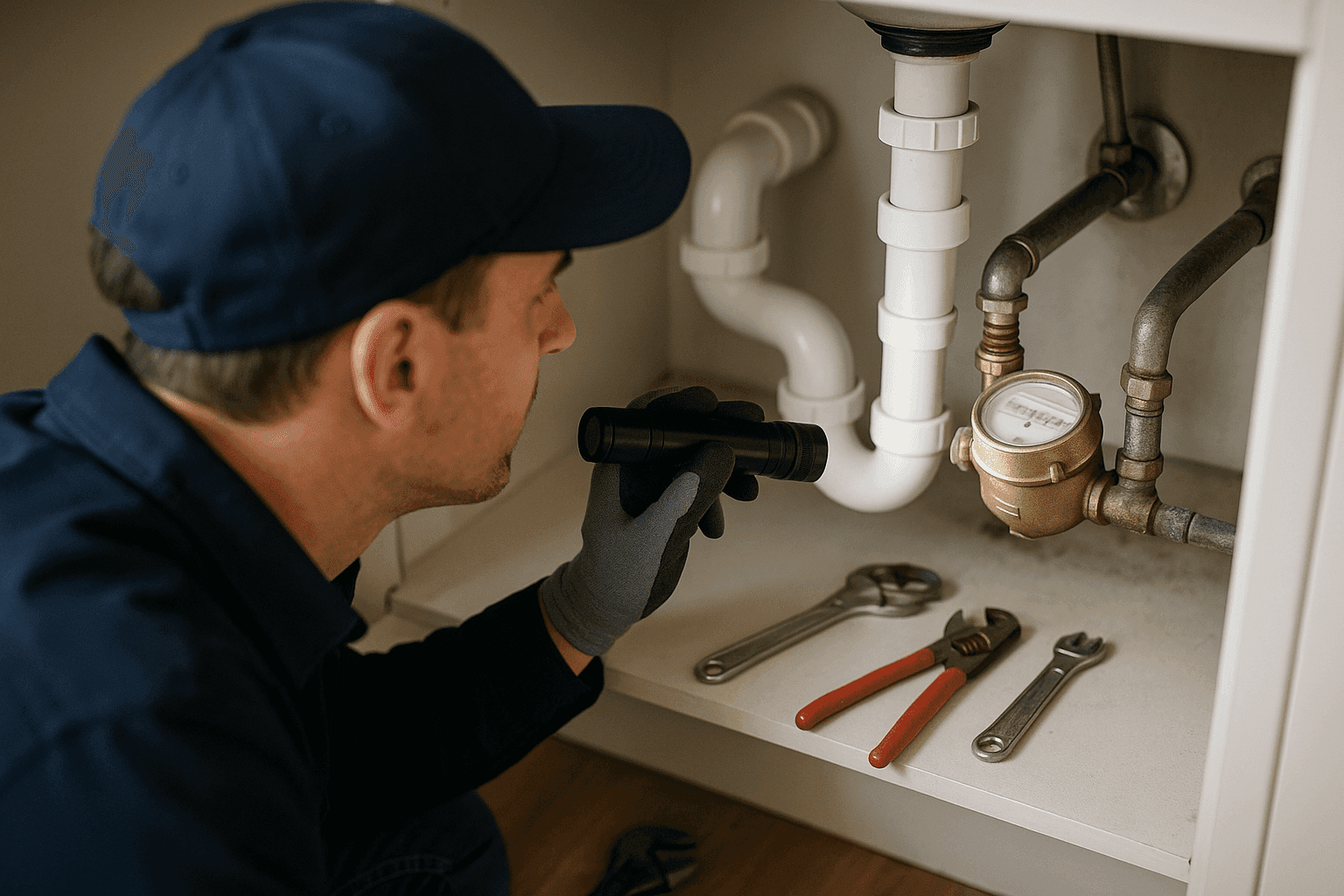
Hidden plumbing leaks are sneaky. They can turn a peaceful home or business into a headache overnight. One drip leads to another, and suddenly you’re staring at water stains, mold, or worse—unexpected repair bills.
At Billy Rogers Plumbing, we know that catching leaks early is half the battle. The other half? Knowing what to do next. Let’s walk through how to spot, stop, and prevent hidden leaks before they cause real trouble.
The Problem: Why Hidden Leaks Matter
A hidden leak is like a silent thief. You don’t hear it. You rarely see it. But it’s there, quietly damaging your walls, floors, or foundation. Left unchecked, even a slow leak can:
- Soak insulation, leading to mold and mildew growth
- Rot wood, weakening your home’s structure
- Cause paint or wallpaper to peel and bubble
- Spike your water bills, even if your habits haven’t changed
For business owners, leaks can disrupt daily operations, damage inventory, and lead to health code violations. Water damage is one of the top reasons for insurance claims. According to the Insurance Institute for Business & Home Safety, water damage from plumbing failures is a leading cause of property loss.
Quick Safety Checklist 🛑
Before you start hunting for leaks, safety comes first. Water and electricity don’t mix, and some leaks can hide behind walls or under floors.
- Turn off power to affected areas if you suspect water near outlets or wiring.
- Wear rubber gloves and sturdy shoes if you’ll be near standing water.
- Avoid lifting wet carpets or heavy objects—they could be heavier than you think.
- Know where your main water shutoff valve is. If you find a major leak, turn it off.
- Don’t use makeshift fixes on gas or hot water lines—call a licensed plumber.
For reference, the International Association of Certified Home Inspectors (InterNACHI) recommends immediate action if water is near electrical systems.
Signs of a Hidden Plumbing Leak
Leaks rarely announce themselves. Instead, you’ll notice clues. Keep an eye (and ear) out for:
- Unexplained spikes in your water bill
- Damp, musty smells, especially in basements or under sinks
- Stains or bubbling paint on ceilings or walls
- Warped flooring or soft, sagging spots
- The sound of running water when no taps are open
- Mold or mildew patches in odd places
Sometimes, you might spot puddles under sinks, behind toilets, or near appliances. Trust your senses—if something feels off, it probably is.
DIY Leak Detection: What You Can Do
Think of leak detection as detective work. You don’t need fancy gadgets—just a little patience and attention.
1. Check Your Water Meter
- Turn off all water-using appliances and faucets.
- Find your water meter (usually outside or in a utility area).
- Write down the reading. Wait 1–2 hours without using water.
- Check again. If the numbers have changed, you likely have a leak.
2. Inspect Visible Pipes and Fixtures
- Look under sinks, behind toilets, and around your water heater.
- Feel for moisture, rust, or mineral deposits.
- Check for puddles or drips, especially after running water.
3. Listen for Clues
- At night, when the house is quiet, listen for hissing, dripping, or running water.
- Place a cup over suspect pipes to amplify sounds.
4. Use a Moisture Meter
- Hardware stores sell affordable moisture meters.
- Press the meter against walls or floors near suspect areas.
- Higher readings may indicate a hidden leak.
5. Test Toilets for Silent Leaks
- Add a few drops of food coloring to the toilet tank.
- Wait 10–15 minutes without flushing.
- If color appears in the bowl, the flapper or valve may be leaking.
If you find signs of a leak but can’t pinpoint the source, it’s time to call in the pros.
DIY vs. Call a Pro
Some leaks are simple—think a loose faucet or a dripping P-trap under the sink. Others are complex, hiding behind walls, under slabs, or in ceilings.
DIY is okay for:
- Tightening loose fittings
- Replacing worn washers or toilet flappers
- Using plumber’s tape on threaded joints
Call a pro for:
- Leaks inside walls or ceilings
- Signs of mold or structural damage
- Leaks near electrical panels or wiring
- Gas or hot water line issues
Trying to fix a major leak without the right tools or training can make things worse. Licensed plumbers follow the Uniform Plumbing Code, which sets safety and installation standards. They also use specialized leak detection equipment—like acoustic sensors and thermal cameras—that can find leaks you’d never spot on your own.
What Pros Do On Arrival
When you call Billy Rogers Plumbing for emergency plumbing help, here’s what to expect:
- Assessment: We’ll ask about symptoms, check your water meter, and inspect visible pipes.
- Leak Detection Tools: Using moisture meters, thermal imaging, and acoustic listening devices, we find hidden leaks fast.
- Temporary Containment: If needed, we’ll shut off water to prevent further damage.
- Repair Plan: We’ll explain what’s needed—whether it’s a simple pipe repair, repiping, or fixture replacement.
- Licensed Work: All repairs follow local codes and safety standards.
- Cleanup & Prevention Advice: We help restore order and offer tips to keep leaks from coming back.
Real-world example: One homeowner called after noticing a musty smell. Our team found a pinhole leak behind the bathroom wall—just in time to stop mold from spreading.
Prevention & Maintenance Tips
The best way to fight leaks? Don’t let them start. Here’s how:
- Inspect pipes and fixtures every few months for corrosion or wear
- Check under sinks and around appliances after heavy use
- Flush your water heater annually to prevent sediment buildup
- Install water leak sensors—these can send alerts to your phone
- Monitor water pressure (high pressure can strain pipes)
- Insulate exposed pipes before freezing weather
- Schedule annual plumbing checkups for peace of mind
The American Water Works Association recommends regular maintenance to reduce water loss and prevent costly repairs.
Costs & Time Factors
Leak repairs can range from a quick fix to a full pipe replacement. Factors include:
- Location: Leaks behind walls or under floors take longer to find and fix.
- Type of pipe: Older pipes (like galvanized steel) may need replacement.
- Extent of damage: Mold remediation or structural repairs add time and cost.
- Emergency plumbing: After-hours calls or major leaks may increase costs.
On average, simple repairs take 1–2 hours. Complex jobs may require multiple visits. Early detection saves money and hassle—waiting can turn a $100 fix into a $1,000 headache.
When It’s an Emergency 🚨
Some leaks can’t wait. Call for emergency plumbing if:
- Water is gushing or flooding your home
- There’s water near electrical outlets or your breaker box
- You smell gas or suspect a gas line leak
- The main water line is broken or leaking
Don’t risk your safety. Shut off water at the main valve and call a licensed plumber right away.
FAQ: Hidden Leak Edition
How do I know if a leak is inside my walls?
Look for stains, peeling paint, or warped drywall. If you hear water running with all taps off, it’s a strong sign. Moisture meters can help confirm.
Is mold always a sign of a plumbing leak?
Not always—high humidity or poor ventilation can cause mold too. But sudden mold patches, especially near pipes or fixtures, often point to a leak.
Can I use sealant or tape for a temporary fix?
For small, accessible leaks, plumber’s tape or epoxy putty can help. But these are only short-term solutions. Always follow up with a professional repair.
How often should I check for leaks?
Inspect pipes and fixtures every few months. Do a full check after extreme weather or if you notice any warning signs.
Special Considerations for Leak Detection & Repair
- Older homes may have outdated pipes prone to corrosion and leaks.
- Businesses should schedule regular plumbing inspections to protect inventory and meet health codes.
- Seasonal changes—freezing and thawing can stress pipes, especially in unheated spaces.
- Water pressure regulators can prevent stress on pipes.
- Insurance policies may require prompt leak repair to cover water damage claims.
If you’re unsure, always err on the side of caution. Water damage is faster—and costlier—than you might think.
If you suspect a hidden leak or need emergency plumbing services, don’t wait. Call Billy Rogers Plumbing now — or reach us anytime at 1-877-478-7794 . Protect your property and your peace of mind.